

pollinators

Grocery Chains to Ban Use of Neonics by Suppliers, in Move to Protect Pollinators

Grocery Chains to Ban Use of Neonics by Suppliers, in Move to Protect Pollinators

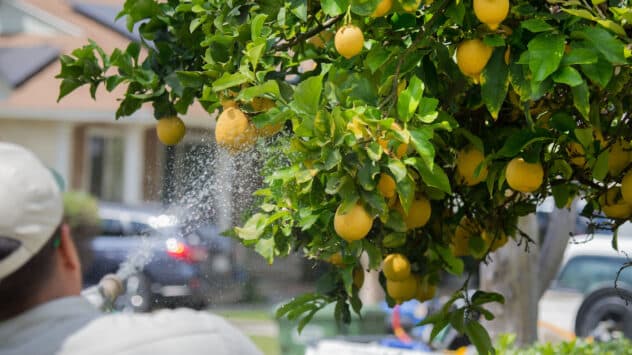
Some grocery chains are moving to help protect pollinators by requiring their suppliers to stop using nitroguanidine neonicotinoids, or neonics. Chains including Whole Foods and Kroger have recently outlined policies that will ban the use of neonics in crop production. Whole Foods’ policy also applies to its floral department. According to the Whole Foods policy, […]

Join our newsletter

The best of EcoWatch, right in your inbox. Sign up for our email newsletter!

    Why Are Bees Making Less Honey?

    Why Are Bees Making Less Honey?

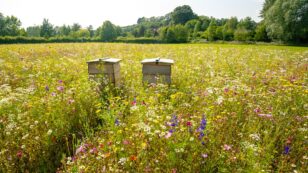
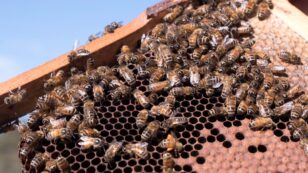
    Since the 1990s, honey yields in the United States have been decreasing, but scientists and honey producers have not known why, according to a press release from Pennsylvania State University (Penn State). Now, a new study by researchers at Penn State has revealed hints as to the reasons behind dwindling honey supplies. “Pollinators are an […]

    5 Vibrant Plants That Thrive in Shade and Cloudy Climates

    5 Vibrant Plants That Thrive in Shade and Cloudy Climates

    Wondering what to plant as the days get shorter and long shadows creep across your garden? There are plenty of shade-loving plants to keep your yard vibrant during months of low light or abundant cloud cover. Coral Bells (Heuchera) Heuchera in the Hudson Valley / Jenny Lee Fowler Coral bells, also known as alumroot, are […]

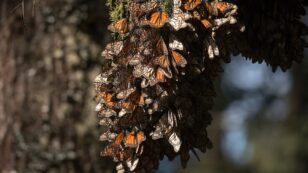
    Monarch Butterflies Are on the Move — Here’s How to Help Them on Their Way

    Monarch Butterflies Are on the Move — Here’s How to Help Them on Their Way

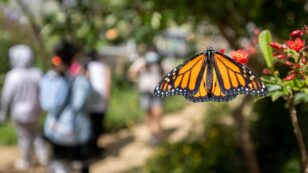
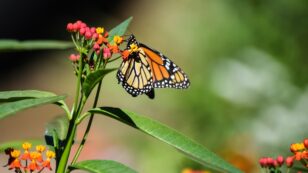
    Among autumn’s falling leaves, you might see a familiar flash of black and orange against the blue sky. Once again, migratory monarch butterflies are on the move from their summer breeding grounds to their overwintering habitats. These spectacular insects travel up to 2,500 miles across the Americas, sometimes covering 50-100 miles a day. Like migrating […]

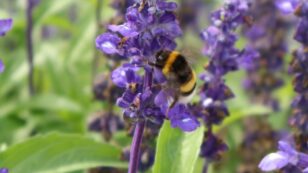
    Honeybees Found to Be Less Effective Pollinators Than Native Species

    Honeybees Found to Be Less Effective Pollinators Than Native Species

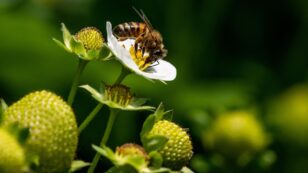
    Originally native to Eurasia and Africa, honeybees were brought to North America in the 17th century, according to Phys.org. For centuries, they flourished, until colony collapse disorder, along with habitat loss, pesticide use, diseases, invasive species and climate change caused their numbers to decline. In a new study, Dillon J. Travis and Joshua R. Kohn, […]