

EcoWatch
Facebook 558k Twitter 222k Instagram 52k Subscribe Subscribe
  • Climate
  • Energy
  • Conservation
  • Food + Agriculture
  • Renewables
  • Oceans
  • Policy
  • Insights + Opinion
  • Go Solar Today
      • Top Companies By State
        • California Solar Companies
        • Texas Solar Companies
        • New York Solar Companies
        • Florida Solar Companies
        • See All States
      • Top Incentives By State
        • California Solar Incentives
        • Texas Solar Incentives
        • New York Solar Incentives
        • Florida Solar Incentives
        • See All States
      • Solar Panel Costs By State
        • Solar Panel Costs in California
        • Solar Panel Costs in Texas
        • Solar Panel Costs in New York
        • Solar Panel Costs in Florida
        • See All States
      • Value of Solar by State
        • Is Solar Worth It In California?
        • Is Solar Worth It in Texas?
        • Is Solar Worth It New York?
        • Is Solar Worth It In Florida?
        • See All States
      • Company Reviews
        • Tesla Solar Review
        • Sunrun Solar Review
        • SunPower Solar Review
        • Vivint Solar Review
        • See All Companies
      • Common Solar Questions
        • Can You Get Free Solar Panels?
        • Does Solar Increase Home Value?
        • What’re The Best Solar Batteries?
        • Can You Finance Solar?
        • Where To Buy Solar Panels?
        • Payback On Solar Panels?
      • Solar Resources
        • Interactive Solar Calculator
        • Federal Solar Tax Credit
        • Best Solar Panels For Most Homes
        • Tesla Solar Roof Review
        • Cheapest Solar Panels
      • Companies Compared
        • SunPower vs Tesla Solar
        • SunRun vs Tesla Solar
        • SunRun vs SunPower
        • SunPower vs Momentum Solar
        • SunPower vs ADT Solar
EcoWatch
  • Climate
  • Energy
  • Conservation
  • Food + Agriculture
  • Renewables
  • Oceans
  • Policy
  • Insights + Opinion
  • Go Solar Today
    • Go Solar Today
    • Top Companies By State
      • California Solar Companies
      • Texas Solar Companies
      • New York Solar Companies
      • Florida Solar Companies
      • See All States
    • Top Incentives By State
      • California Solar Incentives
      • Texas Solar Incentives
      • New York Solar Incentives
      • Florida Solar Incentives
      • See All States
    • Solar Panel Costs By State
      • Solar Panel Costs in California
      • Solar Panel Costs in Texas
      • Solar Panel Costs in New York
      • Solar Panel Costs in Florida
      • See All States
    • Value of Solar by State
      • Is Solar Worth It In California?
      • Is Solar Worth It in Texas?
      • Is Solar Worth It New York?
      • Is Solar Worth It In Florida?
      • See All States
    • Company Reviews
      • Tesla Solar Review
      • Sunrun Solar Review
      • SunPower Solar Review
      • Vivint Solar Review
      • See All Companies
    • Common Solar Questions
      • Can You Get Free Solar Panels?
      • Does Solar Increase Home Value?
      • What’re The Best Solar Batteries?
      • Can You Finance Solar?
      • Where To Buy Solar Panels?
      • Payback On Solar Panels?
    • Solar Resources
      • Interactive Solar Calculator
      • Federal Solar Tax Credit
      • Best Solar Panels For Most Homes
      • Tesla Solar Roof Review
      • Cheapest Solar Panels
    • Companies Compared
      • SunPower vs Tesla Solar
      • SunRun vs Tesla Solar
      • SunRun vs SunPower
      • SunPower vs Momentum Solar
      • SunPower vs ADT Solar

The best of EcoWatch right in your inbox. Sign up for our email newsletter!

    • About EcoWatch
    • Contact EcoWatch
    • Terms of Use
    • Privacy Policy
    • Learn About Solar Energy
    Facebook 558k Twitter 222k Instagram 52k
    EcoWatch
    • About EcoWatch
    • Contact EcoWatch
    • Terms of Use
    • Privacy Policy
    • Learn About Solar Energy
    Facebook 558k Twitter 222k Instagram 52k
    Home Food and Agriculture

    What to Do With Your Compost (Even if You Don’t Have a Garden)

    By: Linnea Harris
    Published: November 9, 2023
    Edited by Chris McDermott
    Facebook icon Twitter icon Pinterest icon Email icon
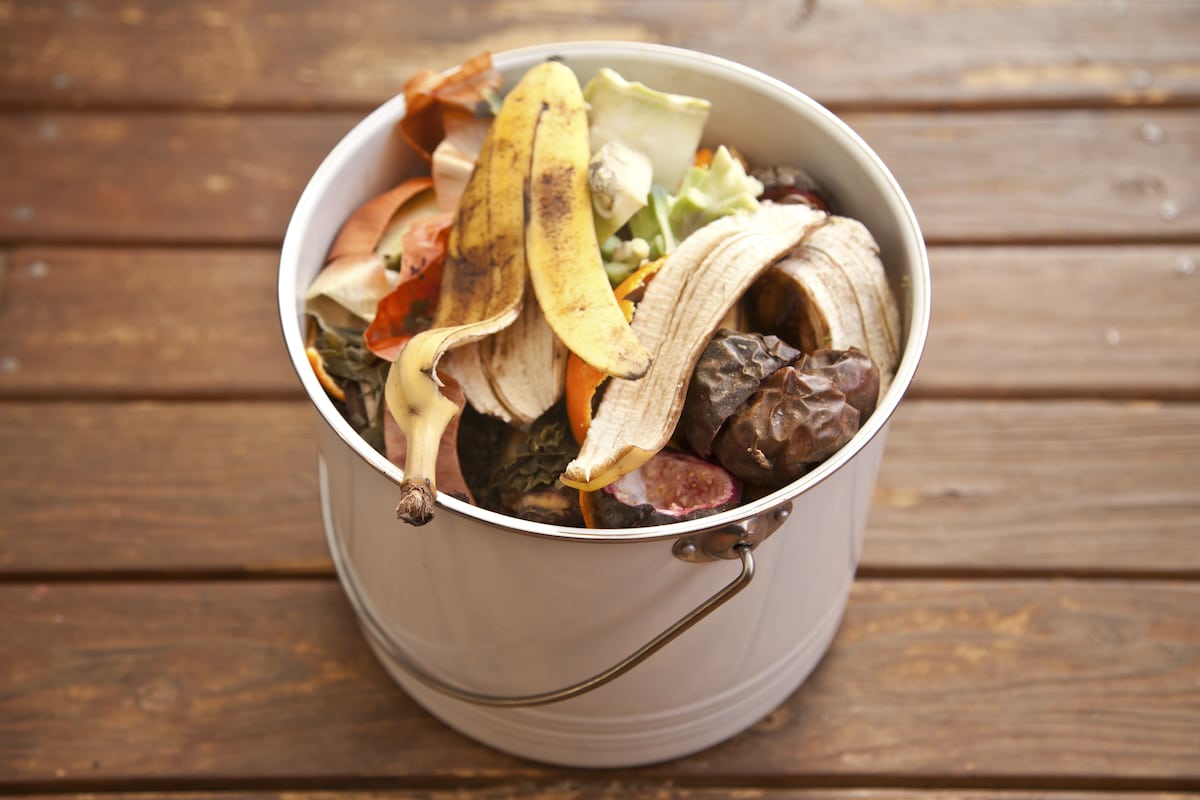
    Fruit and vegetable scraps in a container and ready for composting
    Fruit and vegetable scraps ready for composting. Jenny Dettrick / Moment / Getty Images
    Why you can trust us

    Founded in 2005 as an Ohio-based environmental newspaper, EcoWatch is a digital platform dedicated to publishing quality, science-based content on environmental issues, causes, and solutions.

    Facebook icon Twitter icon Pinterest icon Email icon

    When food scraps are thrown into a landfill, they decompose anaerobically and create methane: a climate-warming greenhouse gas. When food scraps are composted, however, not only are they kept out of landfills, but they turn into nutrient-rich organic matter that can fertilize next season’s plants. You can compost anywhere — even in an apartment or somewhere without outdoor space — but once your food scraps have transformed into beautiful, finished compost, what do you do then? Not having a garden doesn’t mean you can’t put that compost to good use.

    First, Make Sure It’s Ready 

    Compost ready to be used. jopstock / Moment / Getty Images

    Make sure your compost is ready to leave the pile before using it. Temperature is usually a good indicator of whether the compost is ready — it’ll be warm to the touch when it’s still decomposing, and cooler when it’s ready. Check for a dark, crumbly, soil-like texture too, and an earthy smell rather than a decomposing-food-scaps smell. Screening your compost before use is also a good practice. Use a sifter to filter out any large pieces that didn’t quite break down and throw them back in the pile.

    Use It in the Garden

    Fertilizing a garden’s soil with compost. Andrea Obzerova / 500px / Getty Images

    Of course, if you have a garden, it’s very beneficial to spread compost there, where it’ll deliver the nutrients of your once-food scraps back into the soil. It can be used to fertilize existing vegetable and flower beds, or boost nutrient-poor soil so it’s ready for growing. Before planting your starts or seeds in the spring, spread finished compost along the top of the soil — a 3-4 inch layer for new garden beds, and a 1-inch layer for existing beds — then mix it into the top 6-12 inches of soil. If your plants need a little mid-season boost, it’s not too late — a thin layer of compost right over top of the soil around the base of the plants (but not touching their stems) will do the trick. You can also spread a layer of compost on top during the spring or autumn (either before or after the summer growing season) and simply let the nutrients percolate into the soil as it rains. Whatever you’re growing, chances are the plants will love it.

    Fertilize Houseplants 

    Compost added to a repotted houseplant. Daniel Balakov / E+ / Getty Images

    Without the natural processes of decomposition and nutrient cycling that occur outdoors, houseplant soil gets depleted of nutrients over time. Instead of turning to synthetic fertilizers, use compost to revitalize the soil of your existing houseplants, or as a soil base for new ones. You won’t want to plant houseplants directly in compost, since it doesn’t have the well-draining, aerated structure that many indoor plants need. Mix it with a store-bought houseplant soil, or create your own mix using coco coir, perlite, vermiculate, and your very own compost. Before potting, look into the specific fertilizing needs of your houseplants, but generally, adding compost once or twice a year — particularly during a yearly summer repot — is a good idea. 

    Make Compost Tea 
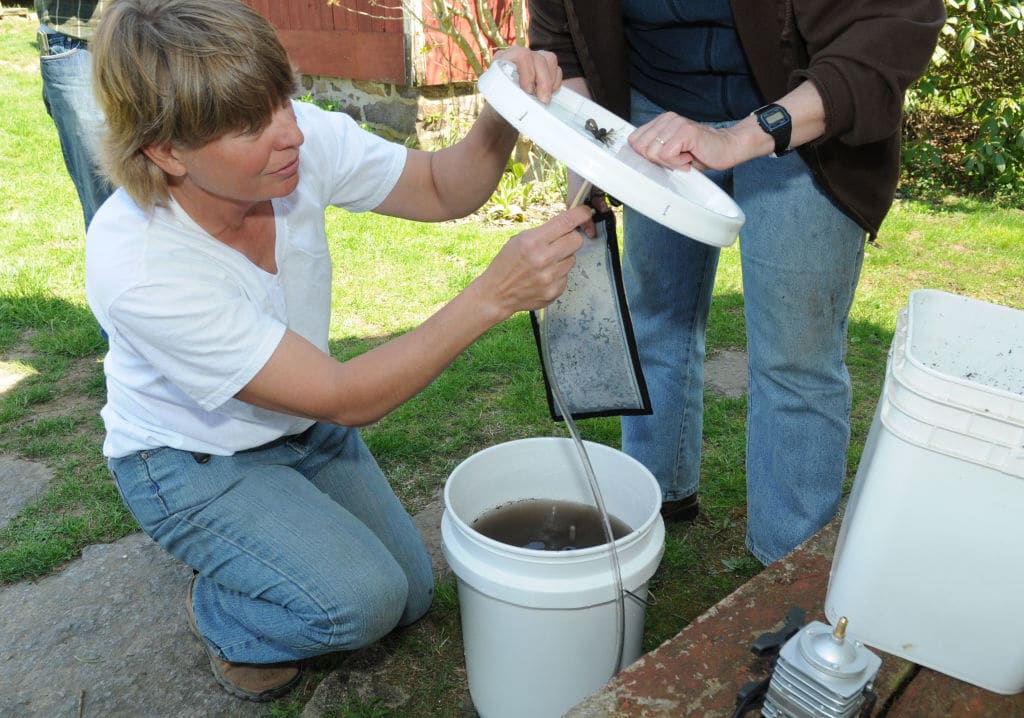
    A bucket of compost tea to be used on plants. Harold Hoch / MediaNews Group / Reading Eagle via Getty Images

    Don’t worry, it’s not for drinking.

    Compost tea contains tons of beneficial microorganisms — bacteria, protozoa, and fungi among them — as well as soluble nutrients, all of which are conferred to the soil when applied. Additionally, it can serve as a disease-blocker to plants that are already growing, such as powdery mildew that’s the bane of many squash-growers. The beneficial microbes occupy the surface of the leaves, preventing other organisms from crowding in. 

    There are several ways to “brew” a batch of compost tea — some requiring more extensive ingredients like fish tank aerators, seaweed extract, and fish fertilizer — but to make a simple concoction, you need only a five-gallon bucket, a gallon of non-chlorinated water, 1-2 cups of finished compost, and a compost tea brewing bag (available online, or make one yourself out any kind of mesh material). Put the compost in the bag before placing the bag in the bucket and filling it with water. Store it in a dark, cool place and stir every day for a week. Now, add the tea to indoor and outdoor plants alike and watch them thrive. 

    Create an Erosion Barrier 
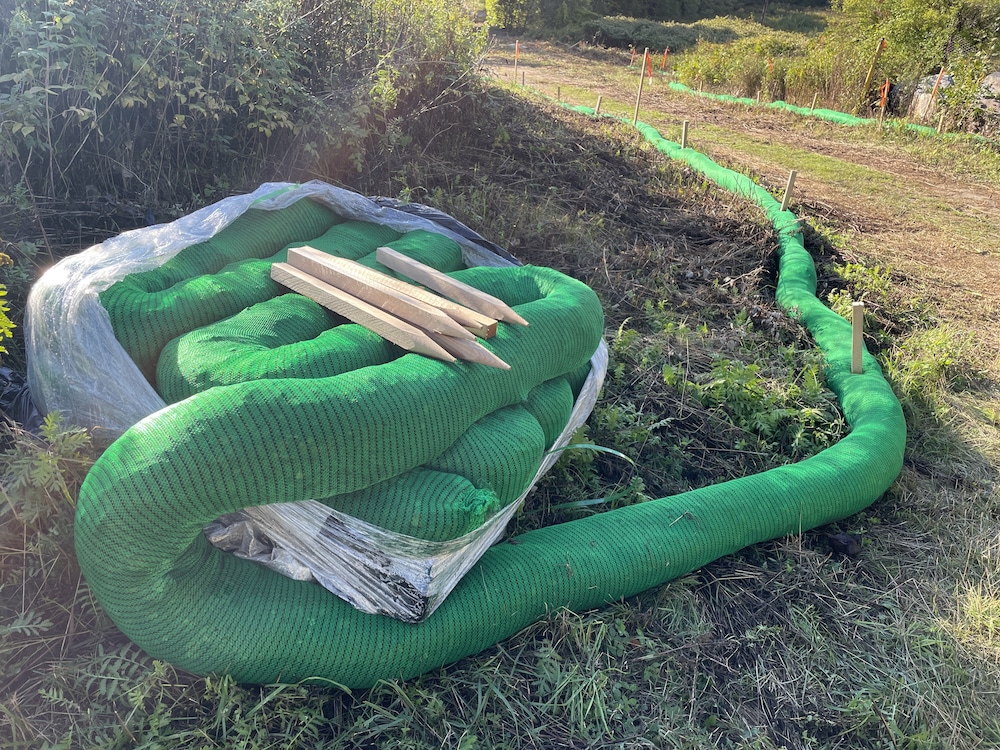
    Compost can be used on its own or with mesh tubes to control erosion. Cappi Thompson / Moment / Getty Images

    If you notice an area of your yard that’s especially prone to erosion after large storms, compost can come to the rescue. Because of its high water-retention capabilities, compost is especially helpful in creating erosion barriers. Either add a layer of compost over the eroded soil — where it works much the same as mulch — or create a physical barrier with a mesh tube filled with the finished compost that sits on top of the soil. 

    Revitalize Landscaping 

    Even if you don’t have a garden, compost can still be put to use in your yard. Use it around shrubs and trees to give them a boost of nutrients and help retain water. If you have an unused area of the yard that you want to spruce up (but would rather not spend the time building a garden), mix some compost in with the soil and throw down some native grass or flower seeds. You won’t have to do anything other than sit back and watch them grow, and see the ecosystem of your backyard thrive. 

    Sell It 

    Perfectly finished compost is a hot commodity, selling for pretty high prices at garden centers. If you don’t have a use for the compost yourself, someone else certainly does. Check out what local garden stores are charging for compost in your area, and get the word out online that you have fresh, locally-decomposed compost ready to buy. 

    Donate It 

    Better yet, find somewhere to give your compost to for free that would benefit from it like a neighbor, local farm, community garden, or school. Even in a large city, there are plenty of urban farms and gardens that use compost. If you can’t find any takers, give your city’s parks department a call and see if they would be able to use donated compost for landscaping the city’s parks.

    Subscribe to get exclusive updates in our daily newsletter!

      By signing up, you agree to the Terms of Use and Privacy Policy, and to receive electronic communications from EcoWatch Media Group, which may include marketing promotions, advertisements and sponsored content.

      Linnea Harris

      Linnea graduated from Skidmore College in 2019 with a Bachelor’s degree in English and Environmental Studies, and now lives in Brooklyn, New York. Along with her most recent position at Hunger Free America, she has interned with the Sierra Club in Washington, DC., Saratoga Living Magazine, and Philadelphia’s NPR Member Station, WHYY.
      Facebook icon Twitter icon Pinterest icon Email icon

      Read More

      Methane 101: Understanding the Second Most Important Greenhouse Gas
      By Olivia Rosane and Cristen Hemingway Jaynes
      By EcoWatch
      New York Finalizes Rule for New Buildings to Be Electric
      New York is now the first state in the U.S.
      By Paige Bennett
      Mass Die-Off of Western Monarch Butterflies Linked to Pesticides, Study Finds
      A new peer-reviewed study has linked pesticides as a likely
      By Paige Bennett

      Subscribe to get exclusive updates in our daily newsletter!

        By signing up, you agree to the Terms of Use and Privacy Policy, and to receive electronic communications from EcoWatch Media Group, which may include marketing promotions, advertisements and sponsored content.

        Latest Articles

        • Methane 101: Understanding the Second Most Important Greenhouse Gas
          by EcoWatch
          August 5, 2025
        • New York Finalizes Rule for New Buildings to Be Electric
          by Paige Bennett
          August 4, 2025
        • Mass Die-Off of Western Monarch Butterflies Linked to Pesticides, Study Finds
          by Paige Bennett
          August 1, 2025
        • Deepest-Known Animal Communities Found Almost Six Miles Below Sea Level
          by Cristen Hemingway Jaynes
          August 1, 2025
        • Pristine Forest and Endangered Gorilla Habitat at Risk as Half of DRC Opened to Bids for Oil and Gas Drilling: Report
          by Cristen Hemingway Jaynes
          July 31, 2025
        • Global Hunger Fell Overall in 2024, but Rose in Africa and Western Asia as Climate and Conflict Threaten Progress: UN Report
          by Cristen Hemingway Jaynes
          July 30, 2025
        • Probiotic Found to Slow Disease Spread Among Florida Coral
          by Paige Bennett
          July 29, 2025
        • Earth Overshoot Day Reaches Record for Earliest Date
          by Paige Bennett
          July 28, 2025
        EcoWatch

        The best of EcoWatch right in your inbox. Sign up for our email newsletter!

          • Climate Climate
          • Animals Animals
          • Health + Wellness Health + Wellness
          • Insights + Opinion Insights + Opinion
          • Adventure Adventure
          • Oceans Oceans
          • Business Business
          • Solar Solar
          • About EcoWatch
          • Contact EcoWatch
          • EcoWatch Reviews
          • Terms of Use
          • Privacy Policy
          • Learn About Solar Energy
          • Learn About Deregulated Energy
          • EcoWatch UK
          Follow Us
          Facebook 558k
          Twitter 222k
          Instagram 52k
          Subscribe Subscribe

          Experts for a healthier planet and life.

          Mentioned by:
          Learn more
          • Privacy Policy
          • Terms of Use
          • Cookie Preferences
          • Do Not Sell My Information
          © 2025 EcoWatch. All Rights Reserved.

          Advertiser Disclosure

          Our editorial team is committed to creating independent and objective content focused on helping our readers make informed decisions. To help support these efforts we receive compensation from companies that advertise with us.

          The compensation we receive from these companies may impact how and where products appear on this site. This compensation does not influence the recommendations or advice our editorial team provides within our content. We do not include all companies, products or offers that may be available.