

EcoWatch
Facebook 558k Twitter 222k Instagram 52k Subscribe Subscribe
  • Climate
  • Energy
  • Conservation
  • Food + Agriculture
  • Renewables
  • Oceans
  • Policy
  • Insights + Opinion
  • Go Solar Today
      • Top Companies By State
        • California Solar Companies
        • Texas Solar Companies
        • New York Solar Companies
        • Florida Solar Companies
        • See All States
      • Top Incentives By State
        • California Solar Incentives
        • Texas Solar Incentives
        • New York Solar Incentives
        • Florida Solar Incentives
        • See All States
      • Solar Panel Costs By State
        • Solar Panel Costs in California
        • Solar Panel Costs in Texas
        • Solar Panel Costs in New York
        • Solar Panel Costs in Florida
        • See All States
      • Value of Solar by State
        • Is Solar Worth It In California?
        • Is Solar Worth It in Texas?
        • Is Solar Worth It New York?
        • Is Solar Worth It In Florida?
        • See All States
      • Company Reviews
        • Tesla Solar Review
        • Sunrun Solar Review
        • SunPower Solar Review
        • Vivint Solar Review
        • See All Companies
      • Common Solar Questions
        • Can You Get Free Solar Panels?
        • Does Solar Increase Home Value?
        • What’re The Best Solar Batteries?
        • Can You Finance Solar?
        • Where To Buy Solar Panels?
        • Payback On Solar Panels?
      • Solar Resources
        • Interactive Solar Calculator
        • Federal Solar Tax Credit
        • Best Solar Panels For Most Homes
        • Tesla Solar Roof Review
        • Cheapest Solar Panels
      • Companies Compared
        • SunPower vs Tesla Solar
        • SunRun vs Tesla Solar
        • SunRun vs SunPower
        • SunPower vs Momentum Solar
        • SunPower vs ADT Solar
EcoWatch
  • Climate
  • Energy
  • Conservation
  • Food + Agriculture
  • Renewables
  • Oceans
  • Policy
  • Insights + Opinion
  • Go Solar Today
    • Go Solar Today
    • Top Companies By State
      • California Solar Companies
      • Texas Solar Companies
      • New York Solar Companies
      • Florida Solar Companies
      • See All States
    • Top Incentives By State
      • California Solar Incentives
      • Texas Solar Incentives
      • New York Solar Incentives
      • Florida Solar Incentives
      • See All States
    • Solar Panel Costs By State
      • Solar Panel Costs in California
      • Solar Panel Costs in Texas
      • Solar Panel Costs in New York
      • Solar Panel Costs in Florida
      • See All States
    • Value of Solar by State
      • Is Solar Worth It In California?
      • Is Solar Worth It in Texas?
      • Is Solar Worth It New York?
      • Is Solar Worth It In Florida?
      • See All States
    • Company Reviews
      • Tesla Solar Review
      • Sunrun Solar Review
      • SunPower Solar Review
      • Vivint Solar Review
      • See All Companies
    • Common Solar Questions
      • Can You Get Free Solar Panels?
      • Does Solar Increase Home Value?
      • What’re The Best Solar Batteries?
      • Can You Finance Solar?
      • Where To Buy Solar Panels?
      • Payback On Solar Panels?
    • Solar Resources
      • Interactive Solar Calculator
      • Federal Solar Tax Credit
      • Best Solar Panels For Most Homes
      • Tesla Solar Roof Review
      • Cheapest Solar Panels
    • Companies Compared
      • SunPower vs Tesla Solar
      • SunRun vs Tesla Solar
      • SunRun vs SunPower
      • SunPower vs Momentum Solar
      • SunPower vs ADT Solar

The best of EcoWatch right in your inbox. Sign up for our email newsletter!

    • About EcoWatch
    • Contact EcoWatch
    • Terms of Use
    • Privacy Policy
    • Learn About Solar Energy
    Facebook 558k Twitter 222k Instagram 52k
    EcoWatch
    • About EcoWatch
    • Contact EcoWatch
    • Terms of Use
    • Privacy Policy
    • Learn About Solar Energy
    Facebook 558k Twitter 222k Instagram 52k
    Home Food and Agriculture

    How to Grow a Low-Effort Vegetable Garden

    By: Linnea Harris
    Published: April 13, 2023
    Edited by Chris McDermott
    Facebook icon Twitter icon Pinterest icon Email icon
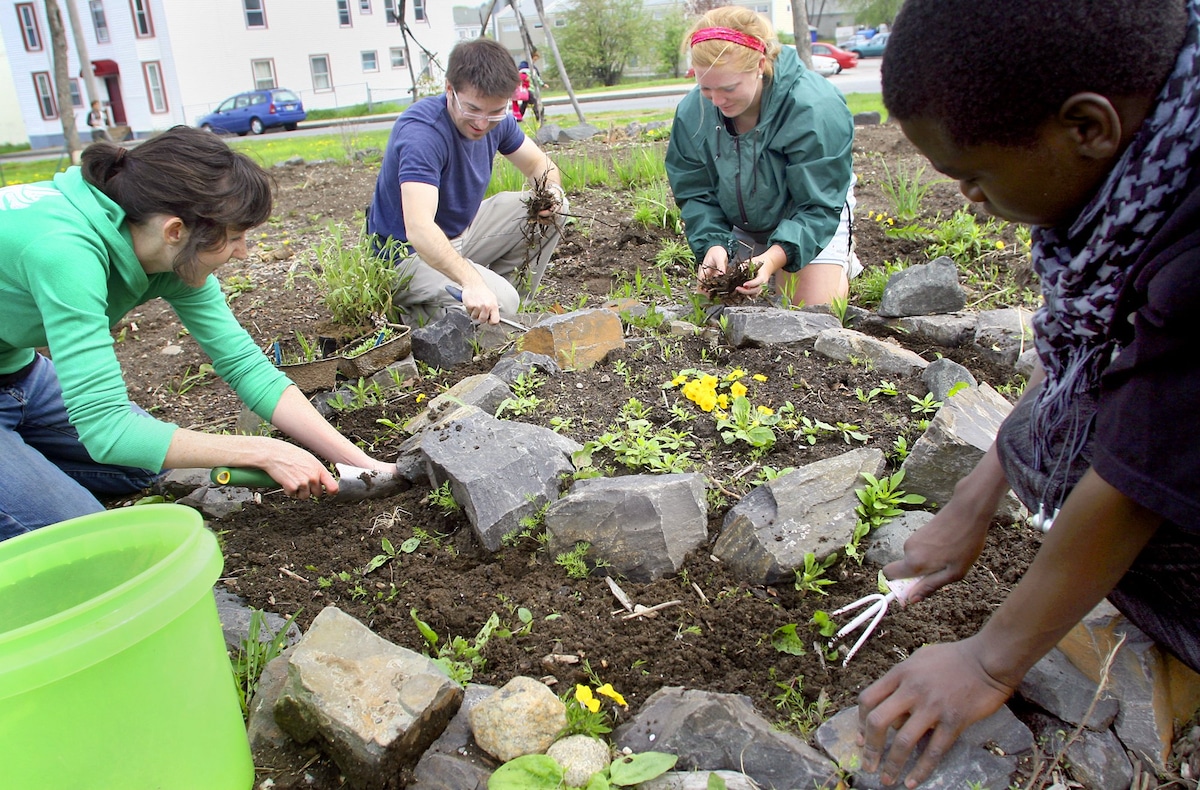
    Four gardeners prepare the ground for planting perennial herbs in Portland, Oregon
    Gardeners prepare the ground for planting perennial herbs in Portland, Oregon. Tim Greenway / Portland Press Herald via Getty Images
    Why you can trust us

    Founded in 2005 as an Ohio-based environmental newspaper, EcoWatch is a digital platform dedicated to publishing quality, science-based content on environmental issues, causes, and solutions.

    Facebook icon Twitter icon Pinterest icon Email icon

    Growing a garden can be a great way to cut down on grocery-related waste, enjoy time outdoors, and save money on fresh, organic produce — but raising seeds from scratch and tending to a garden for a whole season does require a lot of time and work. Here are a few ways to grow a happy, healthy garden with a little less effort.

    Set Up for Success

    Under optimal conditions, plants will thrive and require less care; so, choosing the right plants — and the right spots to plant them — will mean less work for you. The USDA Plant Hardiness Zone Map indicates which plants will thrive in a certain region, and most seed packets will give directions about which zone to plant in. Consider the sun and shade requirements for your crops as well. Generally, vegetables need 6-8 hours of direct sunlight every day, so avoid planting in the darker, shady corners of the yard. Other factors like wind, the angle of the ground and whether there are places water tends to pool during rainy seasons, and foot traffic are other important considerations. Creating a garden plan before planting — or even buying and starting seeds — will help you design a garden that works with the elements rather than against them, setting your plants up for success. The happier the plant, the less labor needed from you!

    More From EcoWatch
    • The Best Solar Panels for Farming
    • What Are Ground-Mounted Solar Panels?
    • Sustainable Home Improvements You Can Make

    Try Perennials 

    A home garden featuring perennial plants in Aurora, Ontario. TANNIS TOOHEY / TORONTO STAR

    While annual plants need to be replanted every season, perennials will overwinter and come back year after year. Choosing perennial flowers and vegetables will save time in the long run after that first year, saving you the time of starting and transplanting seeds every spring. For herbs, try chives, lemon balm, mint, oregano, parsley, rosemary, thyme, and some varieties of basil, like African Blue or East Indian. Perennial vegetables include some varieties of artichoke and broccoli, asparagus (although you can’t harvest until its third season), radicchio, rhubarb, some varieties of spinach, and sweet potatoes. 

    Try Container Gardening
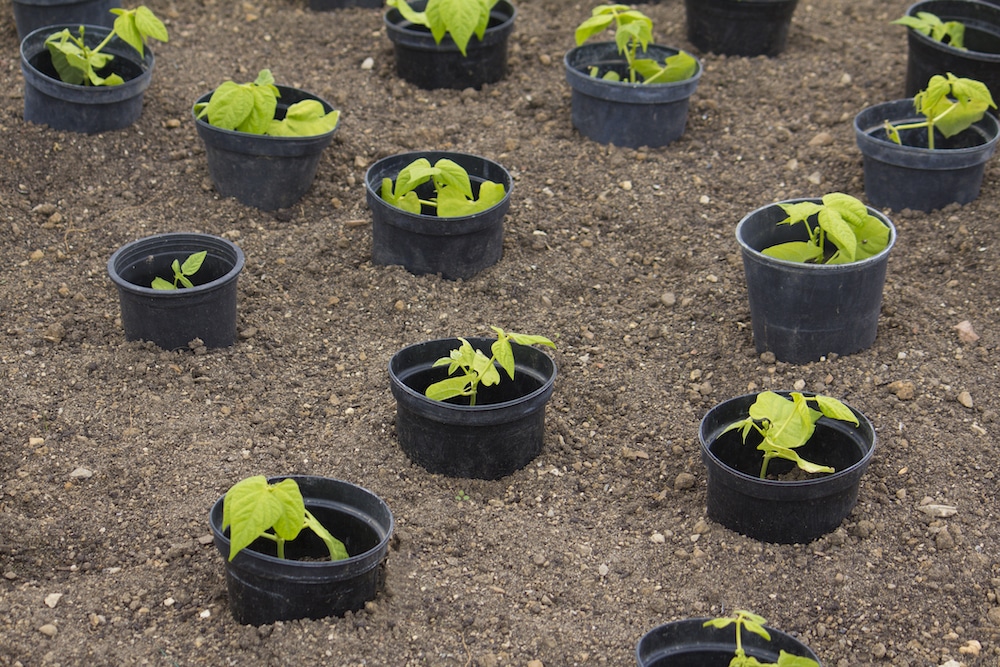
    Beans growing in containers. Fernando Trabanco Fotografía / Moment Open / Getty Images

    If you have limited outdoor space — even just a porch or a fire escape — container gardening can provide you with a season’s worth of fresh produce, even without a full garden. Growing crops in moveable containers also means you don’t have to rehab a large swath of your garden, and can move plants around if you find they need different conditions. They also require much less weeding, although containers do dry out more quickly than a typical garden bed and therefore need to be watered more frequently. For container-gardening success, choose vining varieties of plants — like beans and squash — that grow vertically and require less horizontal space. 

    Try Raised Beds

    A garden using raised beds in Baltimore, Maryland. Edwin Remsberg / VWPics / Universal Images Group via Getty Images

    Especially for those with mobility constraints, raised beds are much easier on the body when it comes to planting, weeding, and harvesting. Pre-made raised beds are available at most garden stores, or try building your own using a simple design — or follow the “square foot gardening” concept and take boards that are 2 x 6 inches, create a square, place a fitted piece of cardboard in the bottom, and then add soil on top. 

    Maintain Healthy Soil 
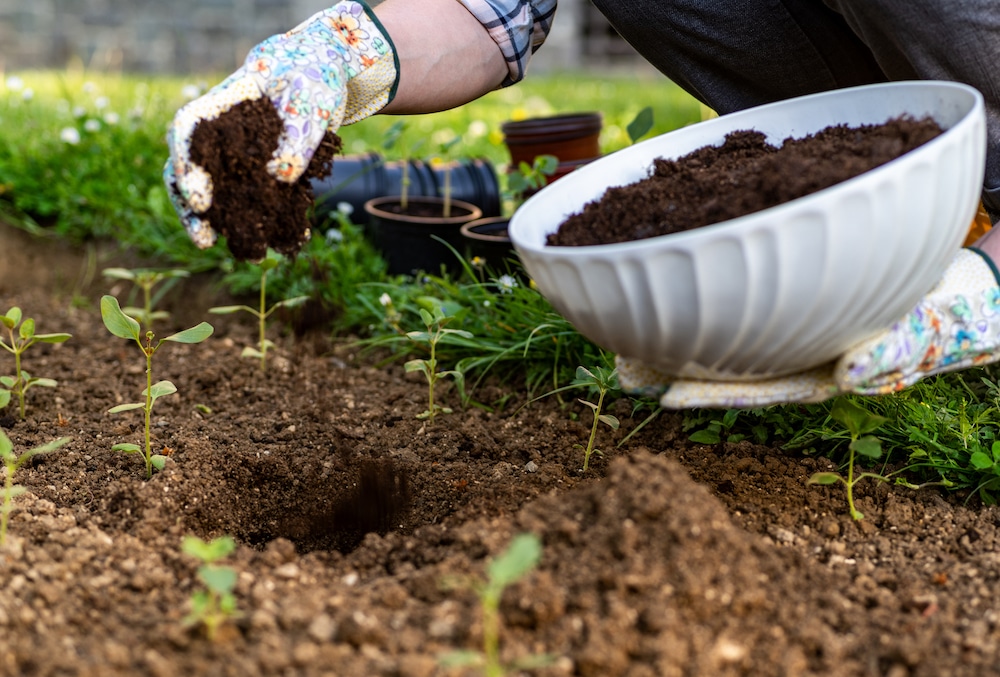
    A gardener adds compost to a garden bed. Andrea Obzerova / 500px / Getty Images

    Putting in some work at the beginning of the season to rehabilitate your garden soil will lead to happier, healthier, lower-maintenance plants. Ideally, you want a dark, crumbly soil with a good mixture of sand, silt, and clay. A few weeks before planting, spread 2-3 inches of homemade or store-bought compost over the garden, then turn it about 6 inches under the surface — or purchase worm castings or fish emulsion to deliver those extra nutrients. 

    Mulch
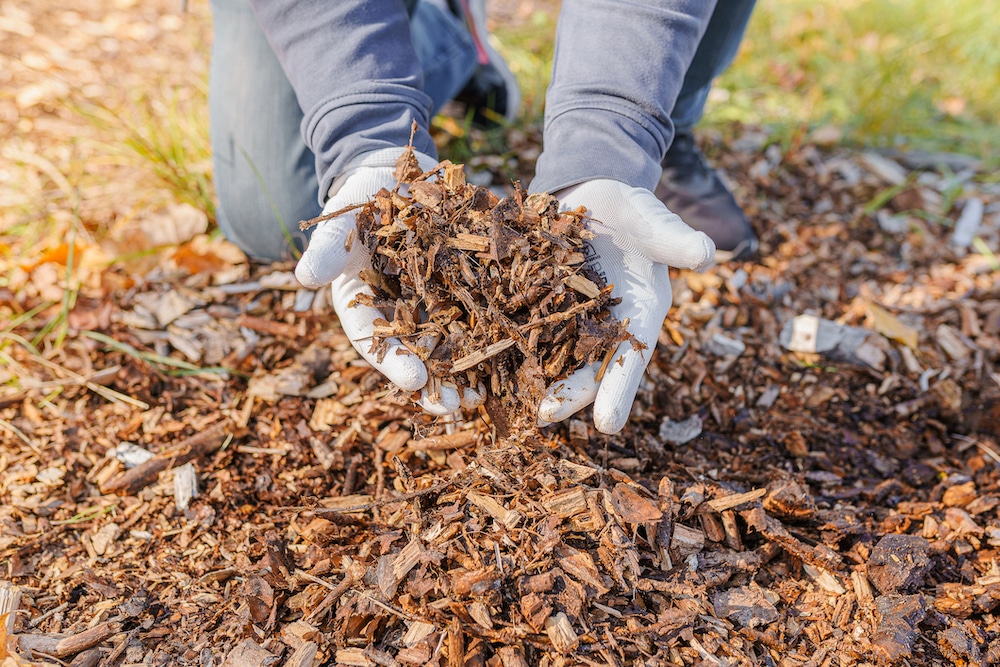
    A gardening spreads mulch made from wood chips. Larisa Stefanuyk / iStock / Getty Images Plus

    Mulching the surface of your garden does require some time at the beginning of the season, but will save you a lot of effort in the long run. Mulch not only suppresses weeds, but traps water against the soil and prevents it from evaporating, meaning less time weeding and watering for you. Organic mulch alternatives like grass and lawn clippings, straw (not hay), compost, shredded leaves, and even cardboard and newspaper will break down over time, enriching the soil in the process. Spread 2-3 inches of mulch to start, and replenish as it slowly decomposes. 

    Follow the No-Till Method
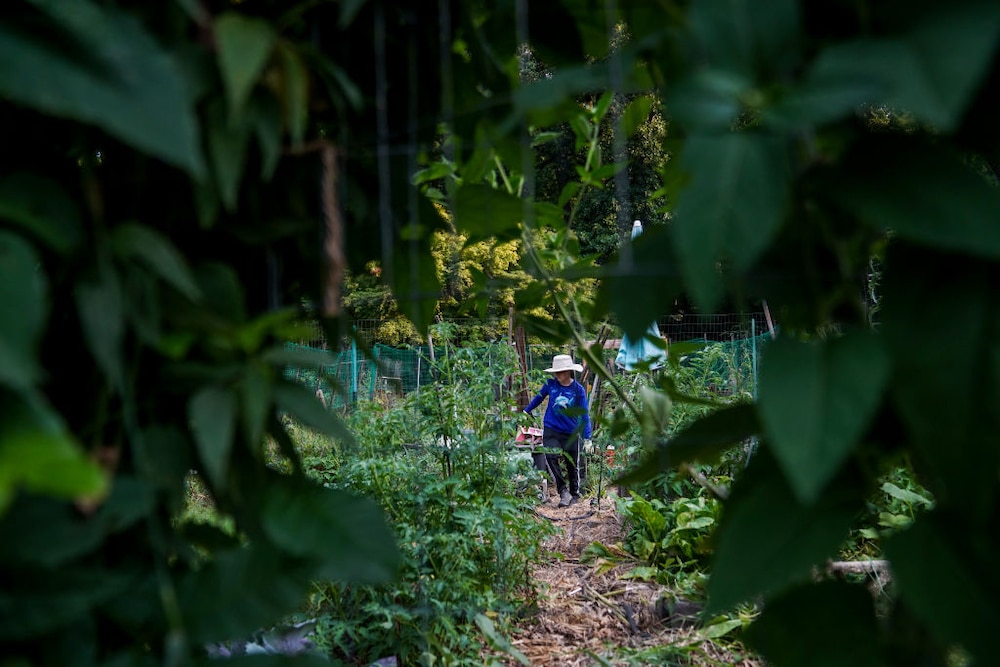
    A gardener works in her family’s no-till garden in Washington, DC. Carolyn Van Houten / The Washington Post via Getty Images

    Some farmers have adopted a “no-till” method of farming, citing its environmental benefits and cost savings. This method basically entails not turning the soil, which helps prevent soil erosion, and preserves the subsoil environment and soil microbes beneath the surface. Rather than turning compost and other inputs into the soil, they are merely added to the surface, leaving the soil as undisturbed as possible. Without the extra labor of turning fertilizer under the surface, no-till gardening means less work for you — and happy soil colonies! 

    Plant Closer Together 

    Planting seeds closely together. piyaset / iStock / Getty Images Plus

    Weeds love bare soil, and will quickly grow in the empty spaces of your garden. To prevent this, plant vegetable starts as close together as planting instructions allow. Bush varieties of plants will also spread over the ground, thereby suppressing weeds. Plants won’t be as productive if they are competing for sunlight, however, so don’t crowd them too much. 

    Work With Nature, Not Against It
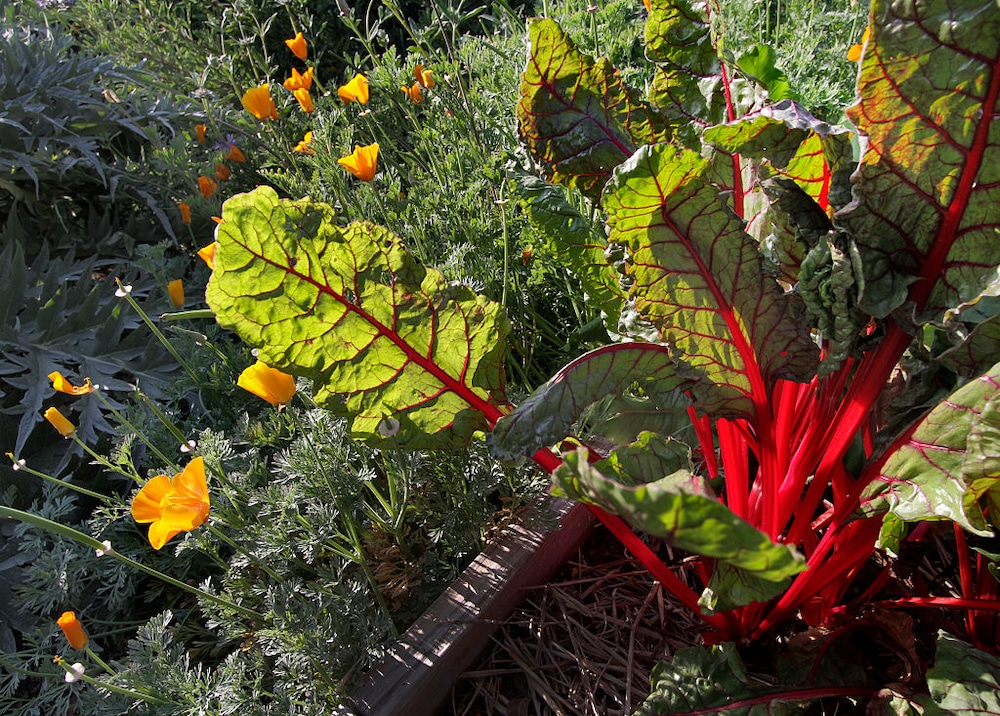
    Vegetables growing alongside native plants in a home garden in Pasadena, California. Lawrence K. Ho / Los Angeles Times

    Let nature do its work — don’t fight it! Harnessing natural ecosystem services will lead to a happier, healthier garden. For one, avoid synthetic chemicals like pesticides and herbicides, which kill species indiscriminately, including the beneficial bugs that are actually doing helpful work in the garden, like pollinating and eating harmful species. Letting native plants grow around the garden will also increase the biodiversity and resilience of your space, attracting more birds and insects, and allowing for more beneficial interactions between species. 

    Reevaluate Your Watering Methods 
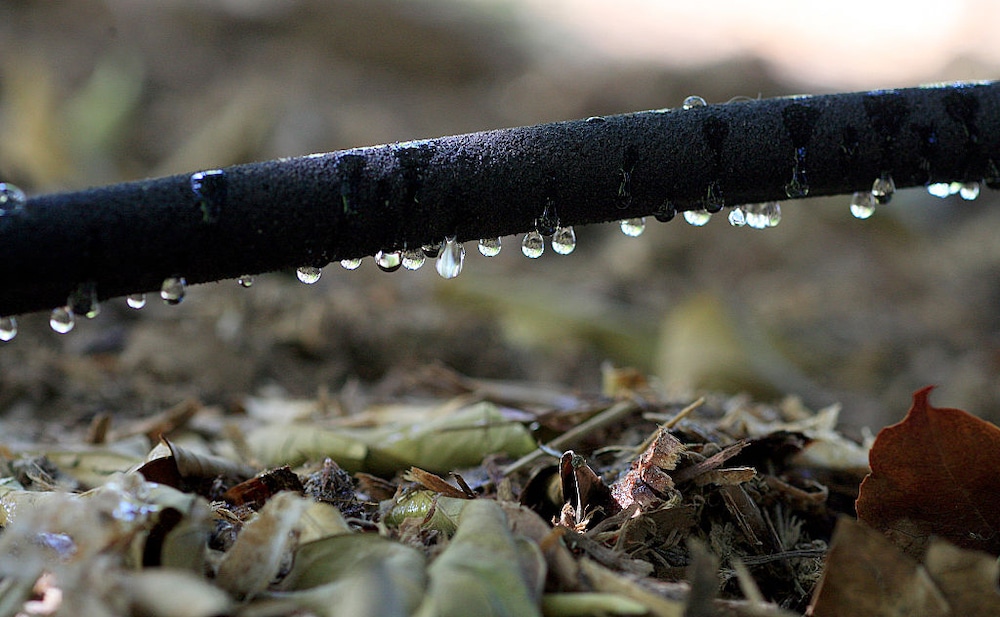
    A soaker hose made from recycled rubber waters a backyard garden. Gary Friedman / Los Angeles Times via Getty Images

    Watering every day can take a lot of time: unfurling the hose, navigating it through the garden, and standing over each bed as you water it. To save on time and effort, try a drip irrigation system or soaker hoses, which snake through the garden and water crops by themselves. Drip irrigation systems deliver water to individual plants, and soaker hoses have tons of small holes that soak the soil as water moves through it at a low pressure. These systems usually work more efficiently — delivering water directly to the roots of individual plants, rather than spraying the entire garden — and can even be set to a timer so you don’t have to schedule your day around watering. You can also connect these systems to rainwater storage bins, thereby saving on water costs. 

    Be Realistic About Your Goals

    Perhaps most importantly, keep your garden expectations reasonable; don’t plant so many crops that you’ll need to devote hours of work every day just to keep it going. Start small, and only plant crops that you actually want to eat. Choose easier vegetables too: try bush tomatoes, zucchini, and cucumbers during warmer weather, and carrots, kale, chard, lettuce, and spinach in cooler seasons. If starting all of your plants from seed is too much of a time commitment, buying vegetable starts will cut down on both time and effort significantly. Planning for staggered harvests will also allow plants to mature at different times so you aren’t caring for everything all at once.

    Subscribe to get exclusive updates in our daily newsletter!

      By signing up, you agree to the Terms of Use and Privacy Policy, and to receive electronic communications from EcoWatch Media Group, which may include marketing promotions, advertisements and sponsored content.

      Linnea Harris

      Linnea graduated from Skidmore College in 2019 with a Bachelor’s degree in English and Environmental Studies, and now lives in Brooklyn, New York. Along with her most recent position at Hunger Free America, she has interned with the Sierra Club in Washington, DC., Saratoga Living Magazine, and Philadelphia’s NPR Member Station, WHYY.
      Facebook icon Twitter icon Pinterest icon Email icon

      Read More

      New York Finalizes Rule for New Buildings to Be Electric
      New York is now the first state in the U.S.
      By Paige Bennett
      Mass Die-Off of Western Monarch Butterflies Linked to Pesticides, Study Finds
      A new peer-reviewed study has linked pesticides as a likely
      By Paige Bennett
      Deepest-Known Animal Communities Found Almost Six Miles Below Sea Level
      Thousands of mollusks and worms have been discovered by a
      By Cristen Hemingway Jaynes

      Subscribe to get exclusive updates in our daily newsletter!

        By signing up, you agree to the Terms of Use and Privacy Policy, and to receive electronic communications from EcoWatch Media Group, which may include marketing promotions, advertisements and sponsored content.

        Latest Articles

        • Methane 101: Understanding the Second Most Important Greenhouse Gas
          by EcoWatch
          August 5, 2025
        • New York Finalizes Rule for New Buildings to Be Electric
          by Paige Bennett
          August 4, 2025
        • Mass Die-Off of Western Monarch Butterflies Linked to Pesticides, Study Finds
          by Paige Bennett
          August 1, 2025
        • Deepest-Known Animal Communities Found Almost Six Miles Below Sea Level
          by Cristen Hemingway Jaynes
          August 1, 2025
        • Pristine Forest and Endangered Gorilla Habitat at Risk as Half of DRC Opened to Bids for Oil and Gas Drilling: Report
          by Cristen Hemingway Jaynes
          July 31, 2025
        • Global Hunger Fell Overall in 2024, but Rose in Africa and Western Asia as Climate and Conflict Threaten Progress: UN Report
          by Cristen Hemingway Jaynes
          July 30, 2025
        • Probiotic Found to Slow Disease Spread Among Florida Coral
          by Paige Bennett
          July 29, 2025
        • Earth Overshoot Day Reaches Record for Earliest Date
          by Paige Bennett
          July 28, 2025
        EcoWatch

        The best of EcoWatch right in your inbox. Sign up for our email newsletter!

          • Climate Climate
          • Animals Animals
          • Health + Wellness Health + Wellness
          • Insights + Opinion Insights + Opinion
          • Adventure Adventure
          • Oceans Oceans
          • Business Business
          • Solar Solar
          • About EcoWatch
          • Contact EcoWatch
          • EcoWatch Reviews
          • Terms of Use
          • Privacy Policy
          • Learn About Solar Energy
          • Learn About Deregulated Energy
          • EcoWatch UK
          Follow Us
          Facebook 558k
          Twitter 222k
          Instagram 52k
          Subscribe Subscribe

          Experts for a healthier planet and life.

          Mentioned by:
          Learn more
          • Privacy Policy
          • Terms of Use
          • Cookie Preferences
          • Do Not Sell My Information
          © 2025 EcoWatch. All Rights Reserved.

          Advertiser Disclosure

          Our editorial team is committed to creating independent and objective content focused on helping our readers make informed decisions. To help support these efforts we receive compensation from companies that advertise with us.

          The compensation we receive from these companies may impact how and where products appear on this site. This compensation does not influence the recommendations or advice our editorial team provides within our content. We do not include all companies, products or offers that may be available.