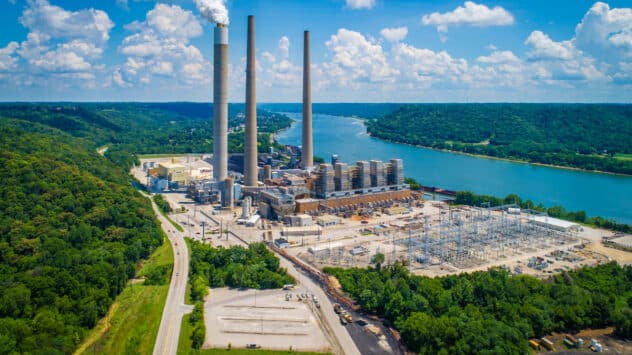
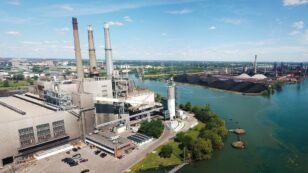
When wastewater from coal-fired plants is released into wider waterways, it can have serious consequences. Environmental toxins including mercury, arsenic, bromide and chloride can pollute drinking water and aquatic habitats, causing cancer and other ailments in humans and making it harder for wildlife to reproduce. That’s why the U.S. Environmental Protection Agency (EPA) moved on […]
A new report from nonprofit Environment America analyzed U.S. Environmental Protection Agency (EPA) data and found that Texas is the No. 1 state in the U.S. for discharging of toxic pollutants into streams, rivers and lakes. Environment America has been producing the report since 2009. Since the first analysis of the EPA’s Toxics Release Inventory […]
By Thomas Marlow, James R. Elliott, and Scott Frickel Climate science is clear: Floodwaters are a growing risk for many American cities, threatening to displace not only people and housing but also the land-based pollution left behind by earlier industrial activities. In 2019, researchers at the U.S. Government Accountability Office investigated climate-related risks at the […]
New research has discovered another way that microplastic pollution might harm human health. The study, published in Environmental Pollution, is the first to prove that certain viruses can stay infectious by attaching themselves to plastics in a freshwater environment. “We found that viruses can attach to microplastics, which allows them to survive in the water […]
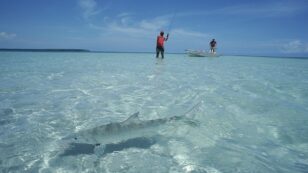
On the southern coast of Florida, researchers have found prescription drugs in the waterways and marine life. When medications are flushed, poured down drains, or excreted into wastewater, they can contaminate local waterways. Outdated infrastructure has been unable to filter out these contaminants. Florida International University (FIU) and Bonefish & Tarpon Trust (BTT) conducted a […]
Pharmaceutical drugs have polluted the world’s rivers and pose “a global threat to environmental and human health,” according to a new study by the University of York. The most extensive global study to date found that among the most polluted rivers were those in Bolivia, Pakistan and Ethiopia, while rivers in the Amazon rainforest, Iceland […]
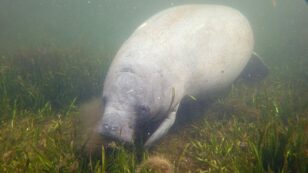
Manatees are majestic creatures, and their presence near Florida brings a lot of awe from locals and tourists alike. But worsening pollution from agricultural runoff, wastewater and other pollutants is causing one of their primary food sources — seagrass — to run scarce. By October 2021 alone, nearly 1,000 manatees have died from food scarcity. […]
By Tara Lohan Fish hooked on meth? It’s a catchy headline that made the rounds a few weeks ago, but it represents a serious and growing problem. Our rivers and streams have become a soup of hundreds of drugs — mostly pharmaceuticals — that come from the treated water released from wastewater facilities. Conventional wastewater […]
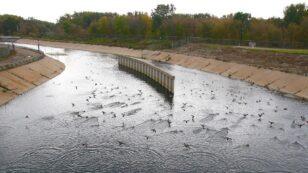
The U.S. Environmental Protection Agency (EPA) announced Monday it is kicking off a new rulemaking process to pass stricter requirements for how coal power plants dispose of wastewater, undoing a major rollback implemented in the last year of the Trump administration. Wastewater pollution from coal plants is poured into nearby rivers and streams and often […]

 568k
568k  233k
233k  41k
41k  Subscribe